A Comprehensive Guide to Aluminum Casting: Methods, Makes Use Of, and Industry Insights
Aluminum casting is a vital procedure with varied applications across numerous sectors. This guide takes a look at numerous casting techniques, including sand, pass away, and investment casting. Each technique has distinct advantages, adding to aluminum's track record for lightweight and corrosion-resistant parts. Comprehending these methods is vital for makers aiming to leverage aluminum's properties. Nonetheless, the landscape is swiftly developing. The influence of current patterns on future techniques warrants better expedition.
Recognizing Aluminum: Properties and Advantages
Aluminum, a flexible metal, is extensively acknowledged for its one-of-a-kind properties that make it an excellent choice for various applications. It is lightweight yet solid, offering an excellent strength-to-weight ratio that is especially helpful in industries such as aerospace and auto. In addition, aluminum shows extraordinary corrosion resistance because of the formation of a safety oxide layer, which boosts its durability and long life.
The steel is likewise extremely flexible, enabling for easy shaping and fabrication, which adds to its prevalent use in production. Aluminum is an outstanding conductor of electrical power and heat, making it valuable in electrical and thermal applications. Its recyclability contributes to its charm, promoting sustainability in making procedures. The combination of these homes not only boosts performance yet additionally decreases energy consumption throughout its lifecycle, placing aluminum as an essential product in modern-day engineering and layout.
Overview of Aluminum Casting Techniques
Sand Casting Methods
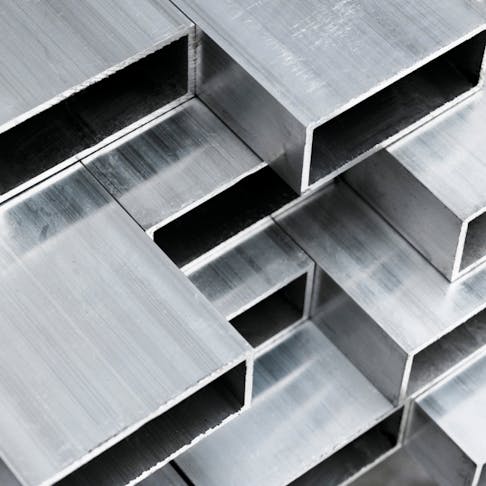
Amongst numerous aluminum casting methods, sand casting attracts attention as one of one of the most extensively used techniques due to its flexibility and cost-effectiveness. This method includes creating a mold from sand, which can be conveniently shaped to create complicated geometries. The process starts with packing sand around a pattern, usually constructed from steel or plastic, to produce a tooth cavity that defines the final shape. When the mold is prepared, liquified aluminum is put into the tooth cavity, allowing it to solidify and cool down. Later, the sand is removed, disclosing the cast component. Sand casting is especially preferred for producing big parts and little production runs, making it an important method in various sectors, including automotive and aerospace. Its adaptability to various styles enhances its charm.
Die Casting Processes
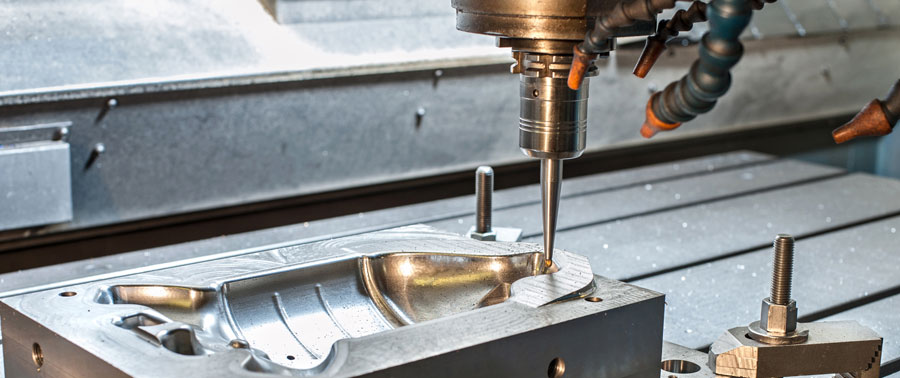
Die casting processes stand for a very efficient approach for generating detailed aluminum get rid of exceptional dimensional precision and surface finish. This strategy entails compeling molten aluminum right into a mold and mildew under high pressure, ensuring that even one of the most complicated geometries can be accomplished. There are two main kinds of die casting: hot chamber and chilly chamber. Warm chamber pass away casting is ideal for metals with reduced melting factors, while chilly chamber die casting is chosen for aluminum as a result of its higher melting factor. Both techniques assist in rapid manufacturing and can accommodate high quantities, making them perfect for sectors such as auto and electronic devices. Reliable die casting requires specific temperature level control and careful mold style to prevent defects and ensure high quality.
Sand Casting: A Typical Method
Although modern casting methods have actually arised, sand casting remains a foundational method in the aluminum industry due to its adaptability and cost-effectiveness. This conventional strategy includes producing a mold from a combination of sand and a binding representative, enabling the production of complicated sizes and shapes. Sand casting is especially beneficial for low to medium production volumes, as it minimizes arrangement expenses and time.
The procedure begins with the development of a pattern, which is after that placed in the sand to develop a cavity. Once the mold is prepared, molten aluminum is poured in, filling up the dental caries and taking the shape of the pattern. After cooling down, the sand is gotten rid of, exposing the finished cast part.
Sand casting is commonly made use of for generating automobile components, machinery components, and creative sculptures, highlighting its enduring importance in various industries of the aluminum market. (Precision aluminum casting)
Die Casting: Accuracy and Efficiency
Die casting is a process that supplies impressive accuracy and efficiency in aluminum manufacturing. This approach is extensively made use of across different sectors because of its ability to generate complicated forms with limited resistances. Nevertheless, it also provides distinct difficulties that need cutting-edge remedies to ensure suitable results.
Process Summary and Conveniences
When thinking about aluminum casting techniques, pass away casting sticks out for its accuracy and efficiency. This process includes requiring liquified aluminum into a mold under high stress, which permits detailed designs and tight resistances. The fast cooling of the metal guarantees fast solidification, leading to top quality get rid of marginal surface area blemishes. Furthermore, die casting deals excellent repeatability, making it appropriate for big manufacturing runs. Using reusable mold and mildews considerably decreases product waste and manufacturing time, adding to cost-effectiveness. The toughness and durability of die-cast aluminum parts make them beneficial for demanding applications. Overall, pass away casting combines progressed technology with useful benefits, placing it as a leading selection in aluminum casting strategies.
Applications in Numerous Industries
The flexibility of die casting allows its application across a large range of industries, showcasing its precision and effectiveness. In the auto sector, pass away casting creates detailed elements such as engine blocks and transmission real estates, contributing to weight reduction and boosted performance. The electronics industry advantages from die casting by producing durable and light-weight real estates for different tools, enhancing both performance and aesthetic appeals. In the aerospace area, this method supplies high-strength components that endure severe problems while keeping low weight. Additionally, consumer products producers make use of die casting for generating elements that call for tight resistances and intricate geometries. Generally, pass away casting plays a vital duty ahead of time innovation and product design across several sectors, highlighting its significance in contemporary manufacturing.
Challenges and Solutions
Numerous challenges occur in the die casting process that can affect both accuracy and effectiveness. One considerable problem is the occurrence of issues such as porosity, which can endanger the honesty of the end product. In addition, maintaining precise temperature level control is crucial, as variations can cause irregular product buildings. Tool wear and tear also present difficulties, typically leading to boosted production expenses and downtime. To minimize these concerns, manufacturers utilize advanced simulation software program to predict possible troubles prior to production begins. Applying normal maintenance timetables for equipment and devices likewise helps maintain performance. In addition, spending in premium materials and utilizing knowledgeable service technicians can enhance overall process reliability, making certain that high requirements of accuracy are consistently met.
Investment Casting: Information and Intricacy
Although investment casting is typically associated with high precision and detailed styles, its real toughness lies in the capability to generate intricate geometries that would certainly be challenging to accomplish via other producing procedures. This method utilizes a wax pattern, which is coated with a refractory material to produce a mold. Once the mold and mildew is formed, the wax is dissolved, leaving a dental caries that flawlessly reproduces the initial pattern.
Applications of Aluminum Castings Throughout Industries
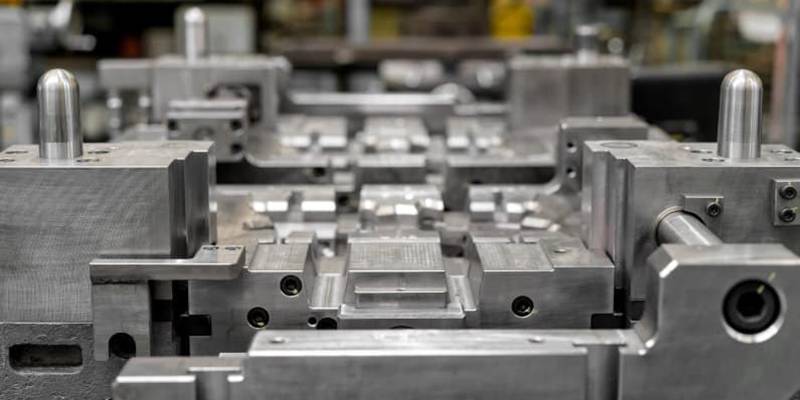
Financial investment casting's capacity for producing intricate aluminum elements has made it an important technique throughout various sectors. In the automotive field, aluminum spreadings are used for engine blocks, transmission real estates, and suspension parts, adding to weight reduction and improved fuel effectiveness. The aerospace sector benefits from aluminum castings in airplane frames, turbine housings, and touchdown equipment, where strength-to-weight proportion is important. Precision aluminum casting. Additionally, the electronic devices sector employs aluminum castings for warm sinks and enclosures, making sure effective thermal management and sturdiness. In the construction sector, aluminum spreadings are made use of for architectural components, home window frames, and structural elements, offering rust resistance and aesthetic allure. The aquatic market incorporates aluminum spreadings in watercraft engines and fittings due to their lightweight and resistance to salt water deterioration. On the whole, aluminum castings show flexibility and performance, making them indispensable in varied applications throughout various areas
Current Trends and Future Instructions in Aluminum Casting
Recent innovations in aluminum casting modern technology are shaping the future of manufacturing throughout various industries. One notable trend is the raising fostering of additive manufacturing strategies, which permit more complex geometries and lowered product waste. Furthermore, the combination of automation and robotics enhances manufacturing processes, enhancing efficiency and accuracy.
Sustainability is likewise a driving force, with makers concentrating on his response recycling aluminum and decreasing energy consumption throughout the casting procedure. This shift not only minimizes environmental influence but additionally lowers functional prices.
Innovations in simulation software application enable much better layout and optimization of casting procedures, resulting in greater top quality items with fewer issues. As sectors remain to embrace these innovations, the need for high-performance and light-weight aluminum parts is anticipated to rise, further solidifying aluminum casting's role in the future of production. Generally, these fads highlight a commitment to effectiveness, sustainability, and technical advancement in the aluminum casting sector.
Regularly Asked Concerns
What Are the Ecological Influences of Aluminum Casting Processes?
Just How Does Aluminum Casting Contrast to Various Other Materials?
Aluminum casting offers light-weight, corrosion-resistant residential properties, making it useful compared to much heavier metals like steel. Its thermal conductivity and simplicity of forming additionally improve its charm, while particular plastics offer adaptability lacking in standard aluminum applications.
What Precaution Should Be Taken Throughout Aluminum Casting?
During aluminum casting, necessary safety actions consist of using safety gear, ensuring appropriate ventilation, making use of fireproof materials, preserving devices consistently, and adhering to safety methods to avoid accidents and direct exposure to unsafe fumes and liquified steel.
How Can I Pick the Right Aluminum Alloy for Casting?
Choosing the best aluminum alloy for casting includes evaluating mechanical buildings, corrosion resistance, and desired application. Think about elements like temperature level resistance and weldability to assure the selected alloy meets specific performance and durability demands.
What Are the Usual Problems in Aluminum Castings and Their Solutions?
Usual flaws in aluminum spreadings include porosity, shrinking, and surface area flaws. Solutions involve boosting mold and mildew design, managing cooling prices, and guaranteeing appropriate alloy selection, together with applying detailed assessment methods to determine and correct these concerns properly.
Amongst the most typically utilized approaches why not try here are sand casting and die casting, each offering distinctive benefits and applications. Among different aluminum casting strategies, sand casting stands out as one of the most widely utilized methods due to its adaptability and cost-effectiveness. Warm chamber pass away casting is ideal for metals with low melting factors, while cool chamber pass away casting is chosen for aluminum due to its higher melting point. Modern casting techniques have actually arised, sand casting stays a foundational approach in the aluminum market due to its adaptability and cost-effectiveness. When thinking about aluminum casting approaches, die casting stands out for its accuracy and efficiency.